
Country Casino Play History Dashboard
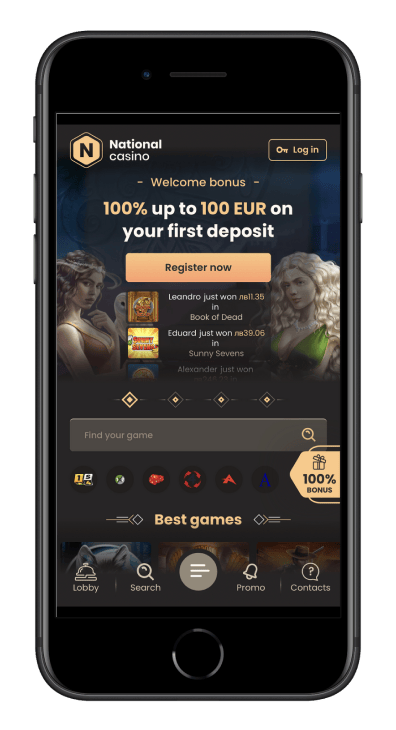
True control over my gambling always boils down to transparency. The Play History Dashboard inside my National Casino account offers me exactly that: a single, private view where every deposit, bet, win, and timestamp lies in one place. I don’t use it as a dusty logbook. I regard it as a tool I actually count on to make decisions. When I can see exactly how much time and money I’ve spent over the past week or month, I’m in a much better position to set limits I’ll actually keep. The dashboard is designed to be straightforward, so I never have to look through emails or bank statements to piece things together. I sign in, look at the summary, and I know where I stand. For me, this dashboard is the foundation of building a safer, more mindful relationship with online gaming, and I’ll walk you through every part of it so you can use it with the same confidence.
What Exactly Is the Play History Dashboard?
The Play History Dashboard is my individual activity center inside my National Casino account. It collects every deposit, withdrawal, bet, game round, and bonus event into one filterable timeline. I don’t just stare at raw numbers; I see trends, totals, and time-stamped entries that let me replay any session in detail. The whole thing is built for clarity, not complexity. Clear labels, clean date ranges, and color-coded transaction types mean I can identify a deposit versus a withdrawal in a split second. Because it lives right in the account menu, I view it before I play, during a break, or after I log off. That kind of constant access keeps me honest. For me, the dashboard isn’t just a history. It’s a window into my habits without criticism, and that honesty is where responsible play starts.
Using Loss and Wager Limits
Beyond deposits and time, the dashboard lets me control how much I can drop or wager in a given timeframe. A loss limit limits the net amount I can lose from my deposits during a day, week, or month. A wager limit limits the total value of bets I place, regardless of whether I win or lose. I use both because they handle different risks. The loss limit protects my bankroll from a steep downswing; the wager limit halts me from recycling winnings into bigger and bigger bets. Establishing them is as simple as typing a number and clicking save. Once they’re active, the system monitors my play in real time. I get a warning as I get close to either limit, and if I meet it, play halts until the period begins anew. I depend on these tools especially when life feels overwhelming and my judgment might not be at its sharpest. The dashboard remembers my settings, so I don’t have to set them up again every time I log in.
- Loss limits restrict my net loss (deposits minus withdrawals) over the period I select.
- Wager limits cap the total amount I wager, no matter how many hands or spins I win or lose.
- I can adjust both for daily, weekly, or month-to-month intervals, and the strictest one always kicks in.
- If I lower a limit, it’s instantaneous. If I raise it, there’s a 24‑hour cooling‑off delay.
- I get a pop‑up at 75% and a final stop at 100%, and the alert connects straight to responsible gambling resources.
How to View Your Play History Dashboard
Accessing the dashboard is fast. After I login, I tap my profile icon at the top right, then select “Play History” or “My Dashboard” from the menu—whichever label the current interface uses. The page loads fast and displays a summary of the last seven days by default. I can modify the date range with a simple calendar picker or press preset periods like today, last week, last month, or a custom span. The dashboard functions great on my desktop, tablet, and phone; nothing disappears. I’ve never had to use a separate app or an emailed report. Everything is current and at my fingertips. If a transaction is delayed to show up, I update the page and it appears almost instantly. That immediate, always-on access is what lets me catch a shift in my play pattern before it turns into something bigger.
Understanding the Data Shown
The dashboard organizes my activity into logical buckets so I never feel swamped. No complicated charts, no gambling terminology. Just clear tables and summary cards. I can expand any row to see the game name, the exact round time, and what happened. That level of detail matters when I want to examine a specific session or double-check a transaction. The dashboard also splits real-money play from bonus funds, so I always know what I can actually withdraw. That distinction stops me from accidentally chasing a wagering requirement without realizing it. National Casino stripped away the friction that usually keeps people from reviewing their own history. I never feel like I’m doing accounting. I’m just touching base with myself.
Transaction History
This section lists every deposit and withdrawal I’ve ever made, featuring the payment method, amount, status, and an exact timestamp. I sort it by date, amount, or type whenever I need to cross-check a bank statement. The reference numbers match, so I start here first. It also lists pending withdrawals and any declines, which enables me solve problems without contacting support. I count on this log to calculate my net deposits over a given stretch; the total often surprises me when I haven’t been paying close attention. A single large deposit is one thing, but seeing several smaller ones pile up over a month feels differently. The transaction history conceals nothing. It hands me the raw numbers and lets me sit with the truth.
Game Session Logs
This dashboard monitors my time, not just my money. The game session logs record every title I launch, how long I stay, and the outcome of each round when it applies. I see a detailed timeline of slots, table games, and live dealer sessions, featuring start and end times. That feature has reshaped how I spend my evenings. I used to lose hours without noticing; now I can reflect and pinpoint exactly when I sat down and how many breaks I took. The log even marks when I jump from one game to another, which helps me identify habits—say, shifting to higher-stakes tables after a losing run. Studying those patterns taught me my own emotional triggers. On days when I know I’m more at risk, I set stricter session limits in advance.
Financial Summaries
Prominently, I get a financial summary card that tallies my net position for the selected period. It shows total deposits, total withdrawals, total bets, and total wins. The net figure, wins minus bets, gives me a quick read on where I stand without pulling out a calculator. I also see a split of bonus funds received and how much I’ve wagered against them, which is essential for tracking playthrough progress. This summary is the primary thing I check during a safe-gambling self-audit. It takes less than ten seconds to process and sets the tone for my whole session. If the numbers move in a direction I dislike, I can change my limits right there. The summary isn’t just informative; it pushes me to act.
Voluntary Exclusion and Break Periods
Sometimes I require a longer pause than a single session limit can give. The dashboard places self‑exclusion and cool‑off options right where I can reach them. I can start a cool‑off for 24 hours, 7 days, 30 days, or any custom stretch up to six months. During a cool‑off, I can’t deposit, play, or claim bonuses, but I can still log in, view my dashboard, and withdraw any remaining balance. That nuance matters; it holds the door open for responsible money handling while blocking impulsive play. For situations that call for something stronger, the dashboard links to the self‑exclusion form, which allows me close my account for a minimum of six months, all the way up to permanent exclusion. I like that these options aren’t buried in a terms page. They sit one click away from my play history, exactly where I require them when I’m reviewing my data and feeling the urge to step back.
Interim Cool-Off
I’ve used the temporary cool‑off more than once after noticing my session logs climbing up. The process is instant: I select the duration, confirm, and the system signs me out. A confirmation email comes with the reactivation date set out. While I’m on cool‑off, marketing messages stop, which lowers temptation. The dashboard remains available in read‑only mode, so I can still check my history and plan a healthier return. When the cool‑off ends, my account reopens automatically and my limits stay right where I left them. That smooth switch means I never feel punished for taking a break. I cointelegraph.com feel supported.
Lifelong Self-Exclusion
If I ever reach the point where gambling no longer matches my life, the dashboard leads me to the permanent self‑exclusion request. This one involves identity verification to prevent unauthorized closures, but it’s still straightforward. Once submitted, my account closes indefinitely and I can’t open a new one with the same details. The dashboard presents a final summary before closure, which I can retrieve for my records. I haven’t required this path myself, but knowing it’s there, clearly explained and easy to start, offers me real confidence that National Casino treats player safety as more than a checkbox. The dashboard doesn’t bury the exit; it illuminates it up.
Setting Session Time Limits
Money is half the story; time plays an equally vital role. The dashboard includes a duration control panel where I cap how long any single login can last. I usually choose at 60 minutes. When I sign in, a discreet on‑screen timer begins the countdown. I get a gentle heads‑up at the 10‑ and 5‑minute marks. When the timer hits zero, the system automatically signs me out and won’t let me resume play until a cool‑off window concludes, commonly 15 minutes. That mandatory break resets my focus. I used to tell myself I’d quit after sixty minutes, but without a hard cutoff I’d extend it. The dashboard timer removes that inner conflict. I can also look back at session lengths within the records. If I notice my sessions stretching longer week over week, I lower the restriction. I can modify the limit before any session, but a higher cap will not apply until the present session concludes, so I cannot ease the rules mid‑session.
Embedding the Dashboard with Responsible Gambling Resources
The Play History Dashboard doesn’t sit alone. It connects directly to a broader set of responsible gambling resources and outside support. At the bottom of the page, I find a dedicated panel with quick links to self‑assessment questionnaires, reality check settings, and contact details for professional help services like GamCare, Gambling Therapy, and local helplines. I’ve taken the self‑assessment more than once. It takes me through a set of standardized questions and provides me an instant, confidential score that flags whether my gambling might be moving into risky territory. The dashboard also enables me to export my full play history as a PDF or CSV. I can give that file to a counselor or a trusted friend if I decide to seek outside support. That connection turns the dashboard from a simple log into a gateway for real help. I never feel alone when I’m looking at my numbers because the resources are right there, offered without shame or pressure.
- I can use a validated self‑assessment (based on the Problem Gambling Severity Index) with a single click.
- Direct links to live chat and helplines for GamCare, Gamblers Anonymous, and Gambling Therapy.
- I can save my complete play history as a PDF or CSV, whether for my own review or to share with a professional.
- Reality check pop‑ups function independently of my session limits, reminding me how long I’ve been playing.
- A “Take a Break” button kicks off a 24‑hour cool‑off instantly, without leaving the dashboard.
Setting Deposit Limits via the Dashboard
One of the most practical touches is that I can configure or modify deposit limits without exiting the dashboard. A “Set Limits” button sits prominently in the header. Clicking it brings up a simple form where I define daily, weekly, or monthly caps. I decrease a limit anytime and it kicks in immediately. If I want to raise a limit, the system implements a cooling-off delay before the increase takes effect, a safeguard I value because it blocks spur-of-the-moment decisions. I use this proactively. Prior to a weekend when I anticipate I’ll have more free time, I set a reasonable weekly cap that fits my entertainment budget, not my mood. The dashboard then tracks my progress in real time with a bar that fills up as I deposit. At 80%, I see a quiet nudge. That visual loop keeps me accountable without making me feel policed.
Daily, Weekly, and Monthly Caps
I can have different limits for different time windows side by side. As an example, I might configure a daily limit of 50, a weekly limit of 200, and a monthly limit of 500. The dashboard applies all three, and the most restrictive one always applies. That layered approach provides flexibility while holding a hard ceiling. A daily cap stops me from burning a week’s budget in one sitting, and the monthly cap protects against slow, steady overspending. The dashboard displays exactly how much of each limit remains, so I never guess. If I reach a cap, every further deposit is prevented until the period resets. I can also opt to receive an email confirmation each time a limit changes, which provides another layer of awareness. This system has turned into my main budgeting tool, and it lives entirely inside the dashboard.
Privacy of Data and Security of Your Play History
I’m careful about who can see my financial and behavioral data, so I looked into how National Casino secures the information inside the dashboard. All play history data is encrypted both in transit and at rest using industry‑standard TLS and AES. The dashboard is only accessible after I log in with my credentials and, if I’ve turned it on, a two‑factor authentication code. National Casino does not distribute my play history with third parties for marketing. The data is stored on secure servers inside the European Economic Area and is held to strict data protection rules. I can apply for a full copy of my data or initiate its deletion anytime through account settings. The dashboard also tracks every access to my history, so I can see if and when my account was checked, a transparency touch that gives me real peace of mind. Knowing my sensitive information is treated this carefully makes me far more inclined to engage honestly with the dashboard and use it the way it was meant to be used.
FAQ
Can I view my play history when I close my account?
Yes, you may ask for a copy even after closure. National Casino retains your transactional and gameplay data for the timeframe required by authorities. You’ll need to contact customer support and submit identity verification documents to retrieve the records. I recommend downloading your history as a PDF or CSV file before you close your account so you get immediate access. The support team generally processes these requests within five business days.
How quickly do transactions appear in the dashboard?
Deposit transactions and bets show up almost instantly, typically within a few seconds of the transaction being completed. Withdrawals may take a minute or two longer, depending on the payment processor, but you’ll see a pending status straight away. If anything seems sluggish, a quick page refresh nearly always fixes it. I’ve never seen a transaction fail to display within a minute, and the timestamp consistently reflects the actual transaction time, not the display time.
May I establish different limits for different game types?
At the moment, deposit, loss, and wager limits apply to your whole account and are https://www.thescore.com/nba/news/2187865 not able to be split by game category. That said, you are able to use the session logs to keep an eye on play per game type and modify your own behavior as appropriate. The dashboard team has mentioned that per‑category limits are on the roadmap for a future update. In the meantime, I rely on the reality check feature to stay aware whenever I transition between slots and table games. https://nationall.casino/responsible-gambling/
What takes place if I forget my dashboard login credentials?
Your dashboard utilizes the same login details as your main National Casino account. If you lose your password, use the “Forgot Password” link on the login page. You’ll require access to your registered email. If you turned on two‑factor authentication and mislay your device, contact support after verifying your identity to regain access. I highly recommend keeping your recovery email and phone number up to date so you don’t get locked out.

admin
Top Rated Products
-
 VEGAN ZOMBIE LIGHTWEIGHT HOODIE Orange/BLK
$40.00
VEGAN ZOMBIE LIGHTWEIGHT HOODIE Orange/BLK
$40.00
-
 The Vegan Zombie Classic Lightweight Hoodie Green/BLK
Price range: $40.00 through $42.00
The Vegan Zombie Classic Lightweight Hoodie Green/BLK
Price range: $40.00 through $42.00
-
 VEGAN ZOMBIE HOODIE Orange/BLK
$48.00
VEGAN ZOMBIE HOODIE Orange/BLK
$48.00
-
 Women's Stranger Things Go Vegan T
$28.00
Women's Stranger Things Go Vegan T
$28.00
-
 Women's Green The Vegan Zombie
$28.00
Women's Green The Vegan Zombie
$28.00
Help us out

Our Friends!