
Decoding Self-exclusion

Self-exclusion is one of the most direct and personally useful tools accessible to anyone who senses that their gambling habits are starting to drift past harmless fun. At NV Casino, the self-exclusion mechanism is not regarded as a punishment or a sign of weakness. It is considered as a deliberate, rational choice made by someone who acknowledges that a temporary or permanent pause is in their best interest. The idea itself is simple: a player requests to be restricted from accessing their account or wagering for a specific duration. Underlying that straightforward appeal sits a structured system of statutory safeguards, cooling-off protocols, and operator responsibilities intended to make the block real and effective. Understanding how self-exclusion truly functions on a practical level removes much of the uncertainty that often surrounds the process. It shifts the perception from an theoretical danger looming over gambling issues and toward a concrete, implementable action that can be initiated without fuss or criticism.
Legal Guarantees and Operator Responsibilities
The self-exclusion structure exists within a regulated ecosystem that imposes actual obligations on operators. Licensed casinos, including NV Casino, are not merely offering self-exclusion as a service. They are bound by licensing conditions that demand them to provide reachable exclusion mechanisms, manage requests swiftly, and uphold the exclusion without exemption. Regulatory bodies audit these processes and can impose major fines or withdraw licenses for non-compliance. This signifies the self-exclusion agreement is not a handshake deal. It is a formal, juridically relevant status. In many jurisdictions, self-excluded individuals are protected from debt pursuit for gambling losses accrued during the exclusion period if the operator failed to enforce the block. This shifts financial responsibility onto the operator and creates a strong incentive for compliance. The existence of these legal backstops is important because it alters the dynamic from a optimistic personal commitment into an enforceable contract. Players who self-exclude are not just depending on their own resolve. They are positioned within a legal structure that punishes operators who neglect to maintain their end of the deal.
Choosing the Right Duration and Category
Self-exclusion is not a universal solution, and NV Casino offers separate timeframes to match diverse levels of need https://nv-casino-dk.dk/responsible-gambling/. A short cooling-off period, usually extending from 24 hours to six weeks, works like a circuit breaker. It offers the individual space to step away, regain perspective, and assess whether their gambling behavior was a temporary lapse or part of a deeper pattern. These shorter breaks carry no permanent record and appeal to people who are trying self-regulation for the first time. Longer-term exclusion periods extend from six months up to five years, and some jurisdictions permit indefinite exclusion. Longer timeframes fit individuals who have recognized a chronic struggle and want to remove gambling access during a period of personal rebuilding. Selecting the right duration requires honest self-reflection rather than wishful thinking. A short break chosen regularly without real change might signal that a longer commitment is necessary. The key principle is that the duration should match the individual’s actual recovery goals, not with the desire to return as quickly as possible. NV Casino structures these options so the choice remains with the user, but the infrastructure supports each tier equally committedly.
Combining Self-exclusion with Real-world External Blocks
Operator-level self-exclusion is powerful, but it is not a full fortress. Resolute individuals can sometimes get around single-operator blocks by moving to unlicensed sites or using another person’s identity. A multi-layered defense strategy boosts the chances of long-term success. Self-exclusion through NV Casino should be considered the first layer, and it can be strengthened with third-party tools. Gambling blocking software can be installed on phones and computers to prevent access to thousands of gambling websites. Financial transaction blocks can be set up through many banks and digital wallet providers, blocking deposits to gambling merchants even if the individual tries a workaround. Browser extensions exist that screen gambling-related content. On a functional level, these tools work independently of any single casino operator and create friction at the moment of impulse. The combination of operator exclusion, payment blocking, and device-level filtering converts what could be a single point of failure into a framework with real backups. NV Casino promotes and encourages the use of these external tools alongside its own frameworks. The goal is not to move responsibility but to accept that recovery environments are more effective when multiple barriers sit between impulse and action.
The Fundamental Principles of Self-exclusion
When a player triggers self-exclusion through the NV Casino platform, a combination of automated and manual safeguards goes into motion almost immediately. The account is suspended and cannot be used to place bets, deposit funds, or access live casino offerings. At the same time, the system halts all marketing communications linked to that account, including promotional emails, SMS notifications, and targeted advertising. This is not a soft block that can be countermanded with a different device or a new browser session. The exclusion is linked to the verified identity of the individual, supported by the personal identification documents submitted during the standard Know Your Customer process. Any attempt to create a new account using the same personal details during the exclusion period raises a red flag. The operator is legally required to take appropriate steps to detect and prevent such efforts. That creates a genuine safety net that relies on identity verification rather than willpower alone. The exclusion period is fixed and cannot be shortened by customer support, which shields the individual from making an impulsive decision to return before they are ready. The system is built to hold the line when personal resolve weakens.
Differentiating Self-exclusion from Account Closure
A frequent point of confusion resides in the gap between standard account closure and formal self-exclusion. Closing an account is commonly a uncomplicated commercial choice. A player may shut down an account because they are not anymore interested in the platform, want to combine their spending, or simply opt for a various service. There is generally no barrier to reactivating the account at a future date, often with a basic customer support request. Self-exclusion functions on an completely different plane. It initiates legal responsibilities for the operator and creates a defensive shield around the individual that goes far past a closed account. Closed accounts can still receive marketing content. Self-excluded accounts are not permitted to. Closed accounts are a business status. Self-excluded accounts are a welfare state. Seeking to use account closure as a quick way to self-exclusion bypasses all the protective mechanisms built into the official process. Comprehending this distinction aids individuals select the correct path for their actual requirements. Someone who is just bored with the platform can close their account. Someone who senses a loss of control gains from the full structural framework of exclusion, which carries regulatory weight and operational consequences that ordinary closure is not able to offer.
What Occurs When the Exclusion Ends|the Self-Exclusion Period Concludes
The termination of a self-exclusion period is a key point that a lot of players overlook when they originally enroll. The account is not immediately activated the moment the exclusion timer expires. A carefully designed reactivation protocol exists particularly to prevent an abrupt, unchecked re-entry to gambling. At NV Casino, a mandatory cooling-off pause is applied after the exclusion ends, generally spanning 24 hours ahead of account functionality can be reinstated. This temporary pause takes away the chance of a midnight impulse wager on the precise expiration date. The person must deliberately ask for reactivation, and that request is handled with a review step instead of an immediate click. This framework recognizes that the player who exits from a six-month exclusion is not the same as the person who began it, and space must be allowed for reflection before getting back in. Should new issues arise during that evaluation timeframe, or should the casino identifies questionable deposit behaviors straight following reactivation, extra safe gambling interventions can be initiated. The conclusion of exclusion is not a finish line but a turning stage that deserves the identical attention as the initial choice.
Where to Find Professional Support Beyond Exclusion
Self-exclusion creates a crucial window of opportunity, but it is not a standalone treatment for gambling disorder. The period of blocked access is most valuable when paired with professional support that tackles the underlying patterns driving harmful gambling. Several international organizations offer free, confidential services staffed by trained counselors. GamCare runs a 24-hour helpline and live chat service offering immediate support and referrals to ongoing therapy. Gambling Therapy provides a multilingual service specifically designed for an international audience, with group chat rooms and a dedicated app for ongoing support. Gamblers Anonymous manages a global fellowship program built on peer support and structured recovery meetings accessible in person and online. Gordon Moody manages residential treatment programs for severe cases that require immersive therapeutic environments. These resources work independently of the gambling industry, and their separation from commercial interests guarantees the advice offered is unbiased and focused exclusively on individual well-being. NV Casino provides direct links to these organizations within the responsible gambling section, without gatekeeping or filtering, so that moving from exclusion to professional support is easy rather than difficult.


admin
Top Rated Products
-
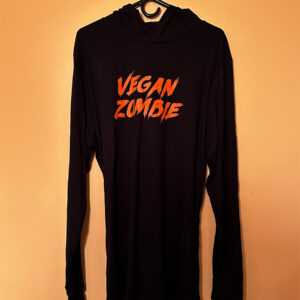 VEGAN ZOMBIE LIGHTWEIGHT HOODIE Orange/BLK
$40.00
VEGAN ZOMBIE LIGHTWEIGHT HOODIE Orange/BLK
$40.00
-
 The Vegan Zombie Classic Lightweight Hoodie Green/BLK
Price range: $40.00 through $42.00
The Vegan Zombie Classic Lightweight Hoodie Green/BLK
Price range: $40.00 through $42.00
-
 VEGAN ZOMBIE HOODIE Orange/BLK
$48.00
VEGAN ZOMBIE HOODIE Orange/BLK
$48.00
-
 Women's Stranger Things Go Vegan T
$28.00
Women's Stranger Things Go Vegan T
$28.00
-
 Women's Green The Vegan Zombie
$28.00
Women's Green The Vegan Zombie
$28.00
Help us out

Our Friends!